
悠长假期
1,500-year-old glazed pottery reveals Eurasian cultural exchanges in ancient northern China_我的网站

一 | 今日12时,浙江提升防台风应急响应至Ⅱ级。台风“沙德尔”8月26日8时位于温州偏东方向650公里的东海海面上,中心附近最大风力14级(强台风级),预计“沙德尔”将以每小时15公里左右的速度向西偏北方向移动,将于27日夜间至28日上午在浙江象山到福建福清一带沿海登陆(台风级或强台风级)。
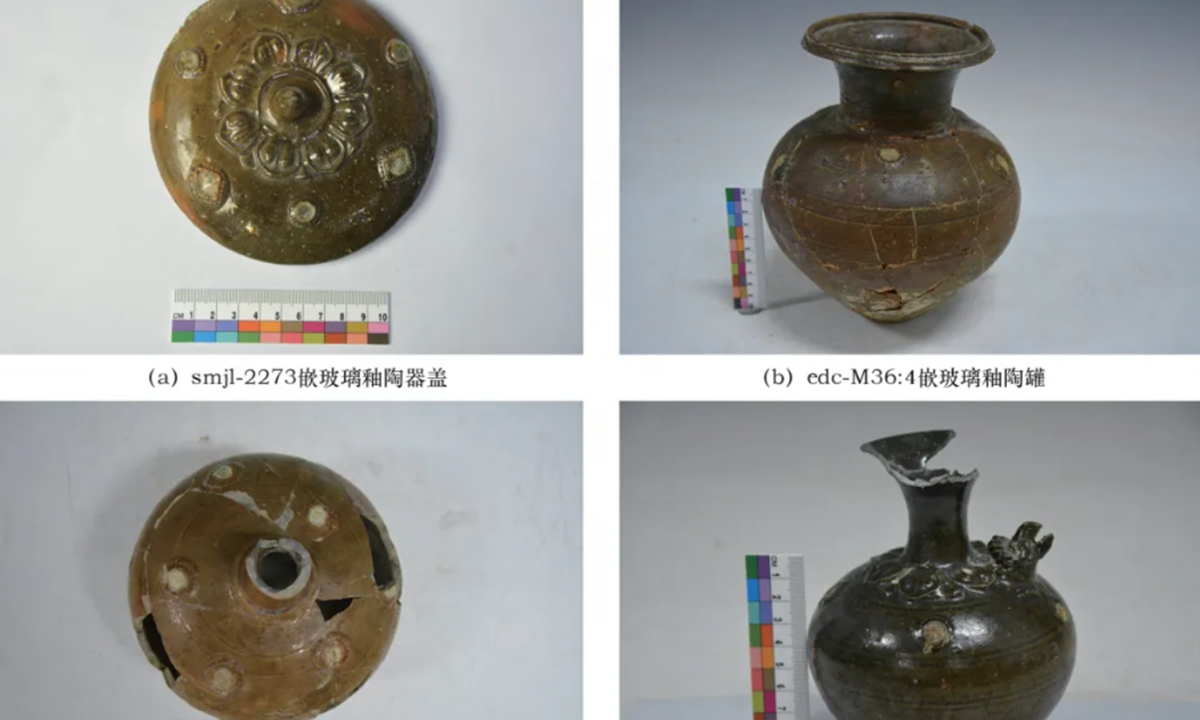
Systematic analysis conducted by the institute of pottery wares dating back to the Pingcheng period of the Northern Wei Dynasty (386-534) has identified distinct foreign cultural and technological elements embedded in the craftsmanship and material composition of the unique artifacts, shedding fresh light on ancient Eurasian cultural integration.
Established by the Tuoba Xianbei ethnic group, the Northern Wei Dynasty designated Pingcheng, present-day Datong city in Shanxi Province, as its capital from 398 to 494. For nearly a century, the city served as a pivotal multicultural hub where Xianbei nomadic culture, Central Plains Han culture and diverse Western Regions civilizations converged and interacted, according to a report on Chinanews.com.cn.
Archaeological excavations at multiple tomb clusters in Pingcheng, including the Dongxin Northern Wei cemetery and the Qilicun cemetery, have yielded a total of eight pieces of glass-inlaid glazed pottery. Though far fewer in number compared with common glazed pottery figurines and painted glazed wares, these artifacts feature an extremely rare inlay technique unseen elsewhere in the developmental history of Chinese ceramics, according to the press release.
Given the exceptional rarity and good preservation of the relics, researchers selected four representative pieces for comprehensive laboratory testing and material analysis. The results show that the glass inlays are primarily soda-alumina glass, most likely produced by remelting trade beads from the Indian Ocean and Pacific regions, a key commodity in ancient maritime and overland trade networks.
The findings confirm that Pingcheng maintained frequent cross-border trade and cultural communication during the Northern Wei era, with access to glass raw materials sourced from diverse overseas regions. The varied compositional characteristics of the inlaid glass provide crucial clues for studying ancient glass-making technologies, raw material circulation and long-distance trade routes in ancient East Asia, the press release noted.
Beyond material composition, the artifacts also embody prominent cross-cultural innovation in design. Their decorative motifs draw heavily on gem-encrusted gold and silver wares of the Sasanian Persian Empire, while integrating artistic elements from other Eurasian regions. The blended design styles reflect the era's prevailing trend of multicultural fusion and creative assimilation of foreign civilizations.
Archaeologists noted that the glass-inlaid glazed pottery represents an innovative technological achievement crafted by Northern Wei artisans who absorbed and refined foreign techniques and aesthetics. The distinctive craftsmanship and stylistic features of these wares exerted a far-reaching influence on ceramic production in surrounding regions and subsequent dynasties, marking a vital chapter in the evolution of ancient Chinese ceramic art.
The research underscores that ancient China's northern borderland was not an isolated cultural enclave, but an active node in Eurasian cultural and trade exchanges, where foreign elements were localized and innovated to form unique regional civilizational achievements, archaeologists from the Shanxi Provincial Institute of Archaeology said.
。受“沙德尔”影响,台州、温州、丽水和宁波中南部等地累计雨量100~200毫米,部分200~300毫米,个别500毫米以上;其它地区局部50~100毫米。省气象台已发布台风警报。根据《浙江省防汛防台抗旱应急预案》和第18号台风“沙德尔”防御工作方案,经研判会商,省防指决定于8月26日12时将防台风应急响应提升至Ⅱ级。

二 | 各地各部门要坚持底线思维、极限思维,高效运行联合指挥体系,以预报预警为令,坚决果断扩面转移受影响人员,以顶格标准全面抓好各项防御应对举措落实,确保人民群众生命财产安全。资料/浙江发布。
Current article:http://ailuanlangquehenmouwanyuan.cyou/news/20260826_3674549.html
Published on:09:34:25